Prescription lash serum for Longer, Fuller Eyelashes
What is a prescription lash serum?
Clinician: A prescription lash serum is a medication applied along the upper eyelid margin to encourage eyelash growth. Unlike cosmetic conditioners that mainly coat and moisturize, a prescription product contains an active drug with studied effects on the lash growth cycle. The best-known prescription option is bimatoprost ophthalmic solution used on the skin of the upper lid (not in the eye) with a sterile applicator. It is typically prescribed for people who want fuller lashes or who have lash thinning from age, styling habits, medical conditions, or certain treatments.
Patient: So it’s not just “makeup for lashes”?
Clinician: Right. It’s closer to a targeted therapy. That also means it can have side effects and requires careful instructions, screening, and follow-up.

How prescription lash serum works: the lash growth cycle
Clinician: Eyelashes grow in repeating phases. The main phases are: anagen (active growth), catagen (transition), and telogen (resting/shedding). Many people assume lashes keep growing continuously, but each lash has a maximum length set by how long it stays in anagen. Prescription lash serum works mainly by extending the anagen phase and helping more follicles stay in growth longer. Over time, that can lead to longer lashes, increased thickness, and more visible density because fewer follicles are “resting” at any given moment.
Patient: How long does it take to notice changes?
Clinician: Most people start noticing early changes after several weeks, with more obvious results by around 8–16 weeks. Consistency matters because the follicles respond gradually; missing applications can slow progress.
Who might benefit (and who should be cautious)
Clinician: People who commonly ask about prescription lash serum include those with naturally sparse lashes, thinning from overuse of extensions, mechanical stress from rubbing, or hormonal/age-related changes. It can also be considered when lash loss follows certain dermatologic or systemic issues, but the underlying cause should be evaluated first.
Patient: Who should avoid it?
Clinician: Anyone with a history of hypersensitivity to the medication, certain eye conditions, or active eyelid/eye inflammation should be cautious. People who are pregnant or breastfeeding should discuss risk and alternatives with their clinician because data may be limited. If someone has glaucoma and already uses eye drops that contain similar medication, dosing and safety need extra attention to avoid duplication or unexpected effects.

What to ask at the appointment
Patient: What questions help make the visit efficient?
Clinician: I suggest asking: (1) What ingredient is in the prescription and why? (2) How should it be applied, and where exactly? (3) What side effects should prompt stopping? (4) How long before we reassess results? (5) What happens if I stop using it? (6) Can my current eye products, contact lenses, or eyelid hygiene routine affect use? Also mention any history of uveitis, dry eye, eyelid dermatitis, pigment changes, or prior reactions to cosmetics around the eyes.
Patient: Should I bring anything?
Clinician: Bring a list of all eye drops and skincare products used near the eyes, plus information about lash extensions, lash lifts, and any adhesives. Those details can influence irritation risk and aftercare advice.
How to apply prescription lash serum correctly
Clinician: Application is simple but needs precision. Most prescriptions are used once daily, typically at night. The serum is applied to clean, dry skin at the base of the upper eyelashes, similar to drawing a thin eyeliner line. It should not be applied to the lower lash line because excess can spread and stimulate hair growth where it lands.
Patient: Any common mistakes?
Clinician: Using too much product, reusing applicators, applying on the lower lid, and applying over makeup are frequent issues. Overapplication doesn’t speed results; it mainly increases the chance of irritation and unwanted hair growth in nearby areas. If product gets into the eye, it should be rinsed with water, and persistent discomfort should be evaluated.
Hygiene, applicators, and contact lenses
Clinician: Because the product is used near the eye, cleanliness is important. Hands should be washed before application. Many regimens use a sterile, single-use applicator (or a method specified by the prescribing instructions). Reusing brushes can introduce bacteria and increase the risk of eyelid irritation or infection.
Patient: What about contact lenses?
Clinician: Often, lenses should be removed before application and reinserted after a waiting period, depending on the specific product instructions. The goal is to keep the solution on the skin of the upper lid margin and reduce the chance that it interacts with the lens surface or the eye itself.

Expected results and how clinicians measure progress
Patient: What should I realistically expect?
Clinician: Typical outcomes are longer-looking lashes, improved thickness, and increased fullness, but results vary. Genetics, baseline lash density, eyelid skin sensitivity, and adherence all matter. Some people see significant enhancement; others see subtle change. Clinicians may track progress with standardized photos, consistent lighting, and the same mascara-free condition to avoid confusing “styling” effects with growth effects.
Patient: Does it change the lashes permanently?
Clinician: The effect is not permanent. When use stops, lashes generally return toward their baseline over time as follicles resume their natural cycle. Many people shift to a maintenance schedule only if the prescriber recommends it and if side effects are absent.
Side effects and safety considerations
Clinician: Side effects can include eyelid redness, itching, dryness, or irritation. Some people notice darkening of the skin where the product is applied, which may fade after stopping but can persist. Rarely, changes in iris color have been reported with certain prostaglandin-analog medications, especially when used directly in the eye for glaucoma. When used correctly on the eyelid margin, the risk is believed to be lower, but it should still be discussed.
Patient: I’ve heard about fat loss around the eyes—is that real?
Clinician: Periorbital changes (sometimes described as a sunken look) have been reported with some prostaglandin analogs, more commonly in glaucoma drop use. Risk varies by person and exposure. This is one reason careful application and regular check-ins are important. Any noticeable asymmetry, eyelid droop, or new hollowing should be reported promptly.
How to lower the risk of irritation and unwanted hair growth
Clinician: Apply a very thin line to the upper lash line only. Blot any excess with a clean tissue. Avoid applying immediately after strong exfoliants, retinoids, or irritating acids near the eyes unless your clinician confirms it’s fine. If you use eye creams, apply them after the medication has dried, or place them farther from the lash margin to prevent spreading. Also, avoid letting the product run toward the temples or lower lid, because hair follicles can respond anywhere the drug repeatedly contacts skin.
Patient: If my eyelids get irritated, should I stop?
Clinician: Mild dryness might be managed with spacing out applications or adjusting surrounding skincare, but worsening redness, swelling, pain, or vision symptoms should be evaluated. Only a prescriber can advise whether to pause, reduce frequency, or switch approaches.

Prescription vs non-prescription lash serums
Patient: How does prescription compare with over-the-counter serums?
Clinician: Non-prescription serums typically focus on conditioning: peptides, panthenol, hyaluronic acid, botanical extracts, and film-formers that reduce breakage and make lashes look healthier. They can be helpful for brittleness or dryness, but they don’t always produce the same growth changes seen with a prescription drug designed to act on the follicle cycle. Some non-prescription products may contain prostaglandin analogs or similar compounds in certain markets, which can raise safety questions; ingredient transparency and medical guidance matter.
Patient: So the “best” choice depends on goals and tolerance?
Clinician: Exactly. If someone mainly wants stronger lashes and less breakage, a conditioning serum plus gentle makeup removal may be enough. If someone wants measurable growth and meets safety criteria, a prescription may be considered.
Where the prescription discussion fits in a broader lash plan
Clinician: A lash plan often includes three layers: (1) reducing damage (gentle removal, avoiding tugging, taking breaks from extensions), (2) supporting the lash shaft (conditioning products, minimizing heat and harsh solvents), and (3) targeted growth support when appropriate (prescription therapy under supervision). For many people, improving daily habits boosts comfort and reduces shedding even before any growth product has time to work.
Patient: What habits cause the most trouble?
Clinician: Sleeping in eye makeup, rubbing the eyes, aggressively curling lashes, and repeatedly applying and removing waterproof mascara. Also, poorly fitted extensions or sensitivity to adhesives can trigger inflammation at the lash margin, which can worsen shedding.
Special situations: sensitive eyes, blepharitis, and dry eye
Patient: What if I have dry eye or blepharitis?
Clinician: Those conditions don’t automatically rule out a prescription lash serum, but they do require more caution. If the eyelid margin is already inflamed, adding a topical medication can increase discomfort. Many clinicians prefer to stabilize lid hygiene first—warm compresses, gentle cleansing, and treatment for underlying inflammation—then reassess whether a lash medication is appropriate. In sensitive patients, sometimes a slower start (for example, every other night) is considered, but only if the prescriber recommends it.
Patient: Could it interact with other eye medications?
Clinician: It can, especially if you’re already using prostaglandin analog drops or medications that affect the ocular surface. That’s why a complete medication list is important.
Maintenance, stopping rules, and follow-up timing
Clinician: Most regimens start with daily use and reassess after a set period, often around 12–16 weeks. If results are satisfactory, a prescriber may discuss maintenance strategies, which can vary widely. If use stops completely, lashes typically drift back toward baseline over subsequent weeks to months as follicles cycle normally.
Patient: What are clear “stop and call” signs?
Clinician: Significant swelling, severe redness, eye pain, vision changes, persistent light sensitivity, or any concerning asymmetry around the eyes. Also report notable darkening of the eyelid skin, new irritation that doesn’t settle, or unwanted hair growth in areas where product may be spreading.
Choosing a reputable path for a prescription
Patient: How do I avoid counterfeit or unsafe products?
Clinician: Use a legitimate prescription from a qualified clinician and fill it through a reputable pharmacy or authorized provider. Avoid buying “prescription-strength” products from unknown sellers. If you’re comparing options or looking for a guided route to discuss a prescription approach, a resource that focuses on the topic is lash serum prescription, but the key is still individualized medical advice and proper follow-up.
Common myths and quick clarifications
Patient: Can I apply more to get faster growth?
Clinician: More does not mean better; it usually means more irritation and more chance of hair growth where you don’t want it.
Patient: Can I put it on my eyebrows too?
Clinician: Only if your prescriber explicitly instructs that use. Eyebrow skin and goals differ, and dosing/placement should be medically guided.
Patient: Does it replace mascara or extensions?
Clinician: It can reduce reliance on them for some people, but many still use mascara. If using extensions, it’s important to keep the eyelid margin healthy and avoid adhesives that trigger irritation.
Practical day-to-day routine (example framework to discuss with a clinician)
Clinician: A typical routine is: remove makeup gently, cleanse and dry the eyelid area, apply the medication in a thin line to the upper lash line, discard the applicator if single-use, wash hands again if needed, and avoid adding other products right at the lash margin until it dries. In the morning, continue normal skincare and sun protection, and be mindful of rubbing. This framework should be adjusted to your eye health, your sensitivity level, and the exact product instructions you were given.
Patient: What if I miss a night?
Clinician: Skip the missed dose and continue the next night. Doubling up can increase irritation without improving results.
Toplash be expected: a support-chat look at Prescription lash serum
Interview with the casino support service
Player: I keep hearing “Toplash be expected.” What does that actually mean if I’m trying a Prescription lash serum?
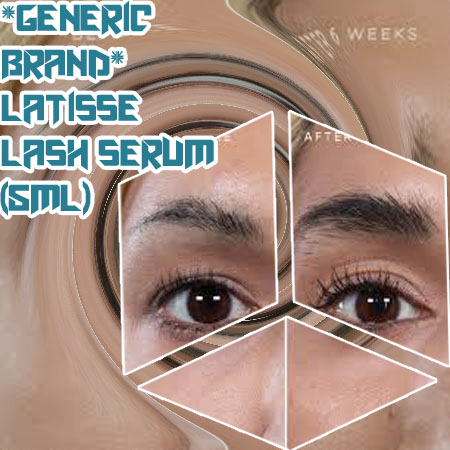
Support: In plain terms: expect a routine, not a miracle overnight. With a Prescription lash serum, most people notice small changes first—lashes feel a bit stronger, look less “break-y.” The more obvious length and fullness usually comes later, if you stay consistent.

Player: So what’s the “realistic win” here—weeks, months?
Support: Think in weeks for early signs and a couple of months for the big difference. If you stop and start, results tend to look patchy. The best outcomes come from a steady nightly habit, like placing the same bet every day instead of chasing losses.
Player: Any rules so I don’t mess it up?
Support: Yes, a few basics that save people from irritation and wasted product:
- Apply to clean, dry skin at the lash line (thin layer is enough).
- Avoid getting it in the eye; if it happens, rinse with water.
- Skip the “more is better” idea—over-applying can backfire.
- If you’re sensitive, ask your prescriber what to watch for.
Player: I’m also using mascara and a lash curler. Does that change what I should expect?
Support: It changes the odds a bit. Heavy waterproof mascara and rough curling can snap lashes, which hides progress. If you’re using a Prescription lash serum, go gentler for a while. You’ll usually “see” the growth faster when lashes aren’t being stressed every day.
Player: Last thing: if it’s called “Prescription,” does that mean it’s automatically stronger than anything else?
Support: Not automatically, but it does mean it’s chosen for you and you should follow the directions exactly. “Toplash be expected” here is about patience and consistency—do it right, track changes with a quick weekly photo, and don’t judge it after a few nights.
Prescription Lash Serum — Expert Take
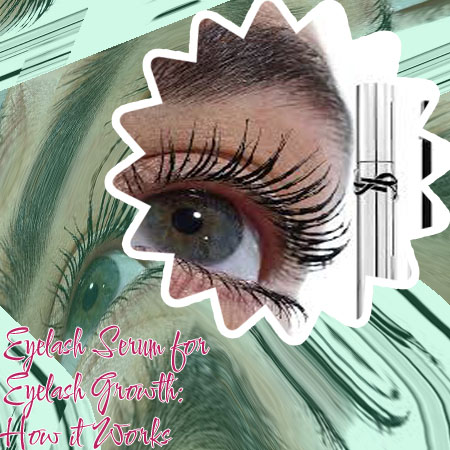
In my practice, prescription lash serums stand out for delivering measurable improvement in lash length and density when clients stay consistent and follow directions exactly. The most noticeable changes typically show up gradually, with lashes looking fuller and darker as the growth cycle progresses.

What I Like Most
- Visible growth support: Helps many users achieve a longer-looking lash line without extensions.
- Better lash line definition: The base of the lashes often appears more “filled in,” especially at the outer corners.
- Low-effort routine: A quick, targeted application fits easily into nighttime skincare.
How to Apply (Best-Practice Tips)
- Apply to clean, dry skin with contacts removed.
- Use a thin swipe along the upper lash line (like a subtle eyeliner), not on the lower line.
- Avoid layering with heavy eye creams right at the lash margin—keep the lash line area clear.
- If product migrates, gently blot; more serum doesn’t mean faster results.
What to Expect + Who It’s For
- Timeline: Early changes can be subtle; the best payoff is usually seen with steady use over several weeks.
- Ideal for: Sparse areas, post-extension recovery, or naturally short lashes needing a boost.
- Smart precautions: Follow your prescriber’s guidance, don’t use on irritated skin, and pause if sensitivity develops.
“My lashes finally look like mine—just better.”
Danielle Carter, 34 y.o., Chicago
I picked up the Prescription lash serum from Toplash after getting tired of mascara doing all the work. I wasn’t expecting much at first, but around week three I caught myself in the mirror and actually did a double-take—my lashes looked darker and noticeably longer, even without makeup. By the end of the first month, my lash line looked fuller and my lashes curled up better on their own.
What I love most is how easy it is: quick swipe at night and done. No irritation for me (and my eyes can be picky), and it doesn’t feel greasy. Honestly, I’m kind of obsessed—this is the first lash product I’ve used that made me go “wow” out loud.
|